


Choosing between plant-based proteins and whey can seem complex. However, these two options have fundamental differences that are crucial to understand. Whey is an animal-derived protein (from milk) very popular among athletes for its rapid assimilation. However, it has certain drawbacks: it is often poorly tolerated, contains lactose, and can cause digestive or skin problems (acne, intolerances).
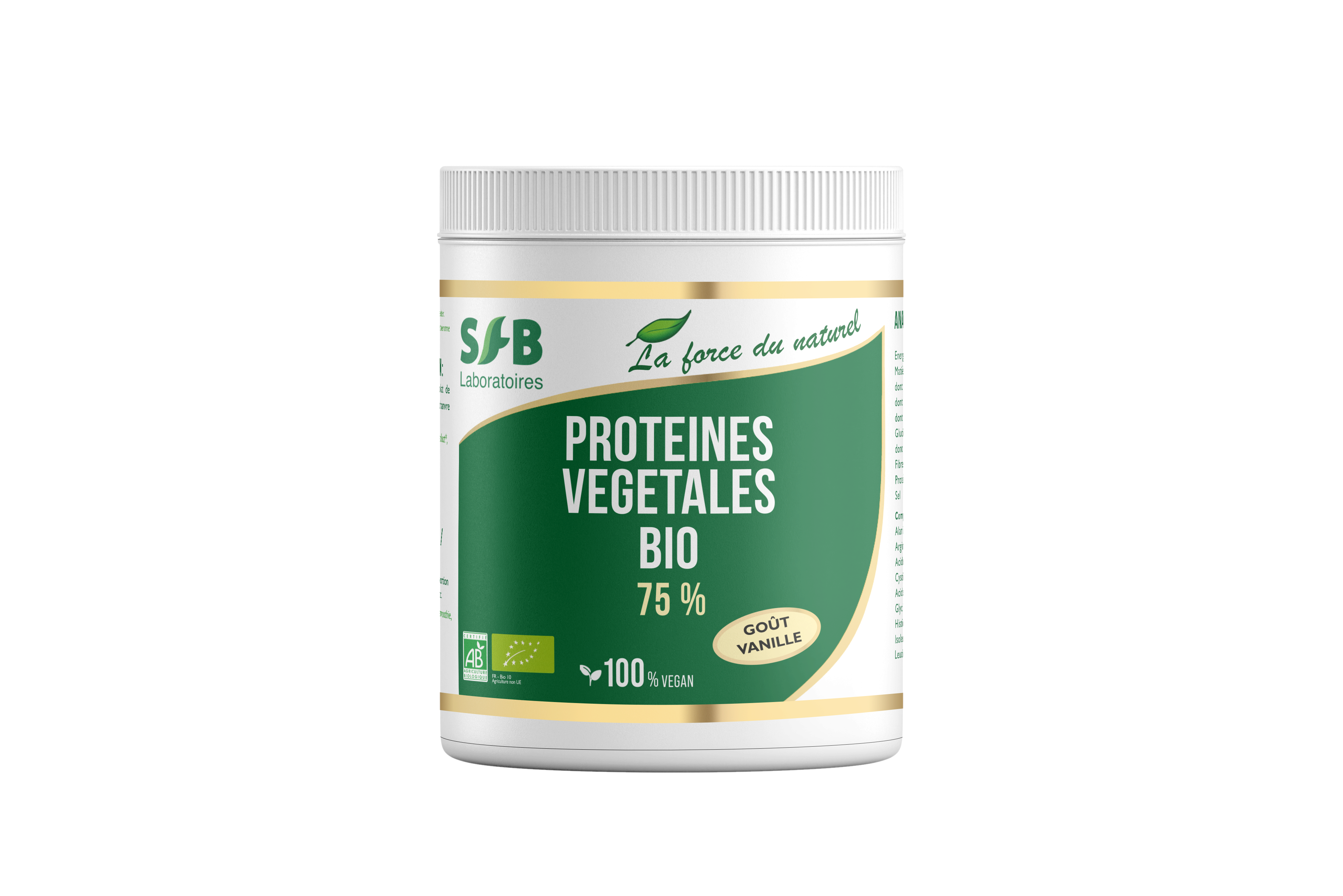
Plant-based proteins, on the other hand, are hypoallergenic, better tolerated, and offer gentler digestibility. Their assimilation is more gradual, which promotes sustained energy release and a more prolonged feeling of satiety. Environmentally, they also have a much smaller footprint.
From a nutritional standpoint, new generations of plant-based proteins, especially those combining several sources like pea, rice, and hemp, now rival whey in quality. They provide a complete amino acid profile and are suitable for all types of individuals: athletes, seniors, vegans, etc.
Finally, plant-based proteins are often naturally enriched with fiber, vitamins, minerals, and antioxidants, which adds additional nutritional value. Whey, while effective post-workout, is more "raw" and sometimes requires the addition of other nutrients to be complete.
Also explore:

Leave a comment
This site is protected by hCaptcha and the hCaptcha Privacy Policy and Terms of Service apply.